Top Cardboard Boxes for Fruit and Vegetables for Markets
Building the Ideal Made-to-Order Fruit and Vegetable Boxes: A Methodical Tutorial
Constructing specialized fruit and vegetable boxes requires a strategic strategy. Specialists must evaluate environmental impact, functionality, and aesthetics. Choosing the appropriate components is crucial for preserving freshness and advancing environmentally conscious methods. Moreover, dimensions and configuration can significantly impact usability and shipping efficiency. Compelling graphics enhance company identity, while comprehensive testing ensures strength. Understanding these elements will uncover vital insights into producing remarkable container approaches that appeal to customers. What comes next is essential to achieving those goals.
Selecting the Appropriate Materials for Custom Produce Boxes
When selecting materials for custom produce boxes, it is vital to examine both functionality and sustainability. The selection of material substantially shapes the box's durability, weight, and ability to defend the contents. Common materials include corrugated cardboard, which offers strength and is able to be reused, making it a favored choice for environmentally conscious businesses. Biodegradable options, such as molded pulp or plant-based plastics, also align with sustainable practices while providing adequate protection for delicate produce.
Furthermore, moisture resistance is crucial for maintaining freshness, prompting some producers to investigate processed substrates or specialized coatings. The aesthetic appeal of the box is important to consider, as branding and visual presentation can influence consumer perception. Ultimately, the right material should find equilibrium between protecting the produce, appealing to customers, and adhering to environmental standards, ensuring both functionality and sustainability are prioritized in the design process.
How to Pick Size and Shape for Performance?
When selecting the size and shape of custom produce boxes, thorough evaluation of produce measurements is essential for proper storage. Additionally, considerations for handling and transport can impact the box structure, guaranteeing ease of movement. Maximizing storage space utilization further enhances functionality, enabling efficient display and storage.
Examine Produce Dimensions Carefully
Assessing the suitable size and shape for produce containers is fundamental for functionality and efficiency. Accurate assessment of product dimensions is indispensable, as it validates that items fit firmly without surplus room that could produce damage during storage or transport. Bespoke boxes need to accommodate various shapes, from soft-skinned fruits to bulky vegetables, while maintaining structural integrity. Furthermore, the depth and height of the boxes should facilitate organized stacking and organization, optimizing space in storage areas. A well-designed box not only protects the produce but also strengthens visual appeal for consumers. To sum up, measured analysis of dimensions contributes to reducing waste and advancing overall user experience in the product supply chain.
Consider Handling and Transport
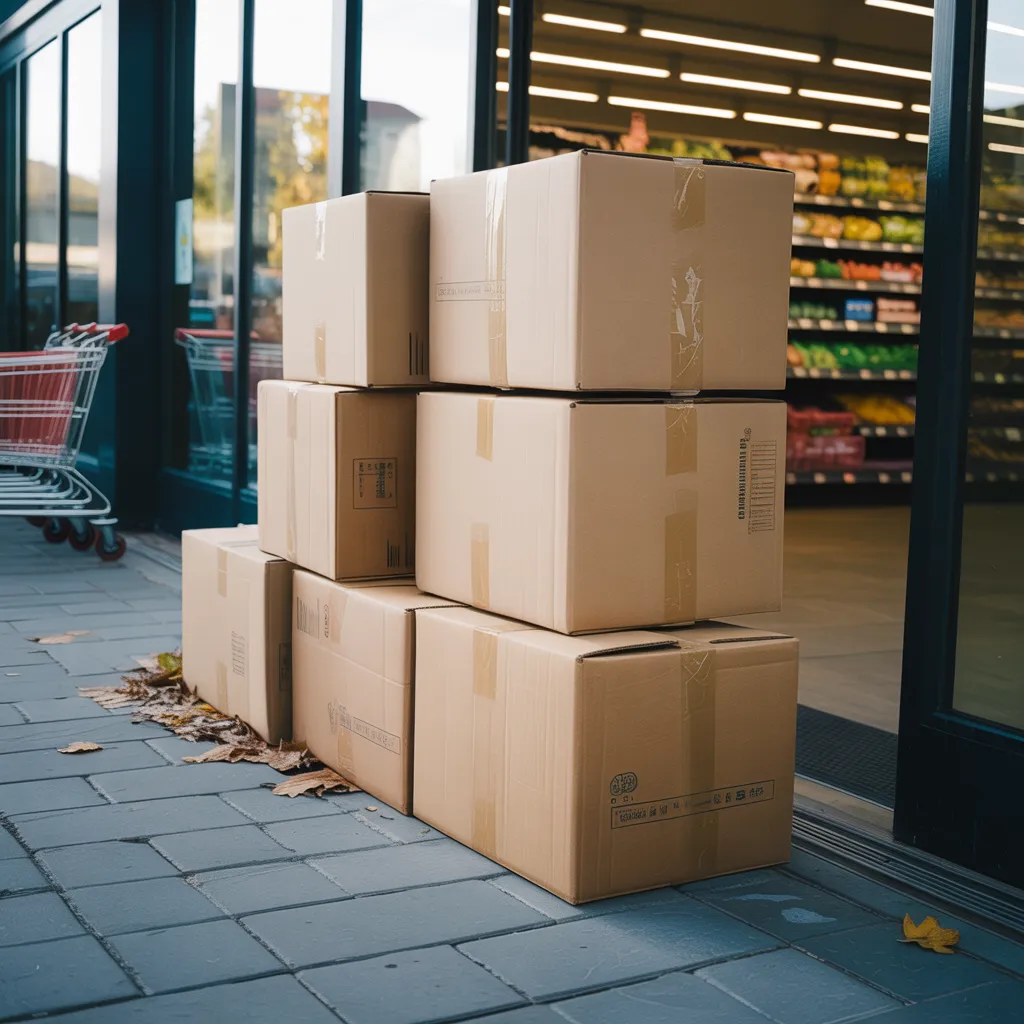
Shipping and handling factors play a significant role in deciding the appropriate size and form of specialized produce containers. The dimensions must accommodate the goods without surplus space, which could lead to movement and damage throughout transit. Compact boxes facilitate easier handling, while larger boxes may be necessary for bulkier products. Furthermore, ergonomic design is vital; grips or openings should be strategically placed to permit pleasant lifting and transporting. The structure of the box also impacts layering and balance, making sure that items stay secure. In the end, careful consideration of such factors enhances the efficiency of delivery, cuts down product loss, and supports the overall soundness of the fresh items from agricultural setting to consumer.
Optimize Shelf Space Usage
Efficient shelf space usage relies upon choosing the appropriate size and shape of custom fruit and vegetable containers. Designers should take into account the measurements of the storage racks as well as the varieties of produce being kept. Rectangular boxes often maximize space efficiency, enabling for easier arrangement and organization. Conversely, distinctive forms can enhance aesthetic attractiveness but may result in wasted space if not carefully planned.
It's crucial to evaluate the stock movement metrics; quick-selling products might benefit from smaller, easily accessible boxes. Furthermore, incorporating adjustable or modular designs can support different dimensions of items while optimizing shelf organization. By emphasizing functionality along with aesthetics, businesses can create a functional and attractive presentation that enhances both accessibility and product visibility.
How to Generate Visual Content That Attract Engagement?
Engaging visuals can convert a basic custom produce box into a visual masterpiece that attracts attention. To accomplish this, designers should start by selecting a color palette that reflects the vitality and vibrancy of the produce. Vibrant, eye-catching colors can evoke sensations of freshness and wellness, driving consumers to take a second glance.
Bold typography remains equally important; readable typefaces can successfully convey essential information while enhancing design attractiveness. In addition, employing high-quality images of the produce can create an immediate connection, highlighting the item's caliber and compelling potential buyers.
Furthermore, incorporating unique patterns or illustrations can help differentiate the brand in a busy market. Alignment in graphic components, such as logos and taglines, reinforces brand identity. Ultimately, a blend of inventiveness and precision in design work can greatly elevate the power of custom produce boxes, making them gain attention on shelves.
Sustainable Practices for Custom Produce Box Packaging
A surging number of firms are taking up environmentally responsible standards for custom produce box packaging, appreciating its relevance in today's environmentally conscious market. These practices often include the use of degradable materials, such as recycled paper and plant-based plastics, which minimize environmental impact. Companies are also focusing on conscientious sourcing, verifying that materials are obtained from responsibly managed forests or suppliers who copyright environmental stewardship.
Also, many brands are choosing minimalist designs that lower waste while still successfully showcasing their products. This method not only attracts environmentally conscious consumers but also helps in decreasing production costs. Moreover, businesses are progressively establishing efficient manufacturing processes that restrict energy consumption and waste generation. By integrating these green practices, companies not only improve their brand image but also contribute positively to the planet, aligning their operations with a sustainable future.
Verify Your Custom Produce Box Design
Evaluating the design of specialized fruit containers is a vital stage in verifying they meet both aesthetic and functional specifications. This process generally entails examining aspects like resilience, scale, and usability. First, test versions need to be created to test the container's build quality, confirming it can withstand transportation and warehousing without compromising the items.
Next, user experience evaluations can be performed to determine how effortlessly the boxes can be opened, closed, and stacked. Feedback from prospective customers can be invaluable in this phase, offering insights into the box's practicality.
Additionally, the visual impact of the design should be tested through focus groups or surveys, assessing consumer feedback to brand design elements, color palettes, and total visual presentation.
In the end, comprehensive testing allows designers to refine the box, guaranteeing it not only appeals to customers but also effectively protects and presents the produce within, striking the right equilibrium between form and function.
Efficiently Market Your Made-to-Order Produce Boxes
Effective marketing of custom vegetable containers requires a strategic approach that underscores their unique features and benefits. Organizations must prioritize pinpointing their intended customers, including local farms, grocery stores, or individual consumers. Taking advantage of social media platforms can enhance market visibility, showcasing the boxes' appearance and functionality through compelling visuals and storytelling.
In addition, joining forces with local influencers or farmers can solidify credibility and read now amplify visibility. Rolling out promotions or discounts during busy seasons can appeal to debut customers and motivate returning trade.
Moreover, emphasizing environmental consciousness and green initiatives in marketing materials can appeal to environmentally conscious consumers. Delivering detailed information about the materials used and the benefits of custom packaging can help differentiate the item in an increasingly competitive landscape.
Ultimately, a comprehensive advertising plan that combines web-based and community-based activities will successfully promote custom produce boxes, appealing to a heterogeneous clientele and driving sales.
Common Questions Posed Regularly
What Fees Accompany Custom Produce Box Design?
Expenses linked to custom produce box design encompass supplies, printing, labor costs, and transport. Furthermore, creative design and minimum order quantities can influence total expenditures, causing variable pricing based on exact requirements and scale of production.
What Time frame Is Involved to Generate Custom Boxes?
Manufacturing of tailored boxes typically demands two to six weeks. Important elements shaping this schedule involve design complexity, sourcing of materials, and production capacity, all of which can influence shipping timelines and lead times.
May I Place an Order for a Minimal Batch of Custom Produce Boxes?
Yes, small quantities of custom produce boxes can typically be ordered. Many vendors provide minimum order quantities, allowing companies or people to obtain tailored packaging solutions without needing to commit to substantial volumes initially.
Which Common Errors Should Be Avoided in Custom Box Development?
Typical pitfalls in custom box development consist of overlooking functionality, ignoring brand consistency, undervaluing material quality, not taking into account target audience preferences, and overlooking environmental impact. Each aspect is essential for successful packaging and customer satisfaction.
How Can I Guarantee My Boxes Are Food-Safe?
To confirm boxes are food-safe, one needs to opt for materials qualified for food contact, steer clear of harmful inks and adhesives, maintain cleanliness during production, and periodically assess for compliance with health regulations and safety standards.